Connecting the dots: how one Ara student is building a sustainability career through community
05 May, 2026
Researching why businesses invest in nature and building the connections to find out
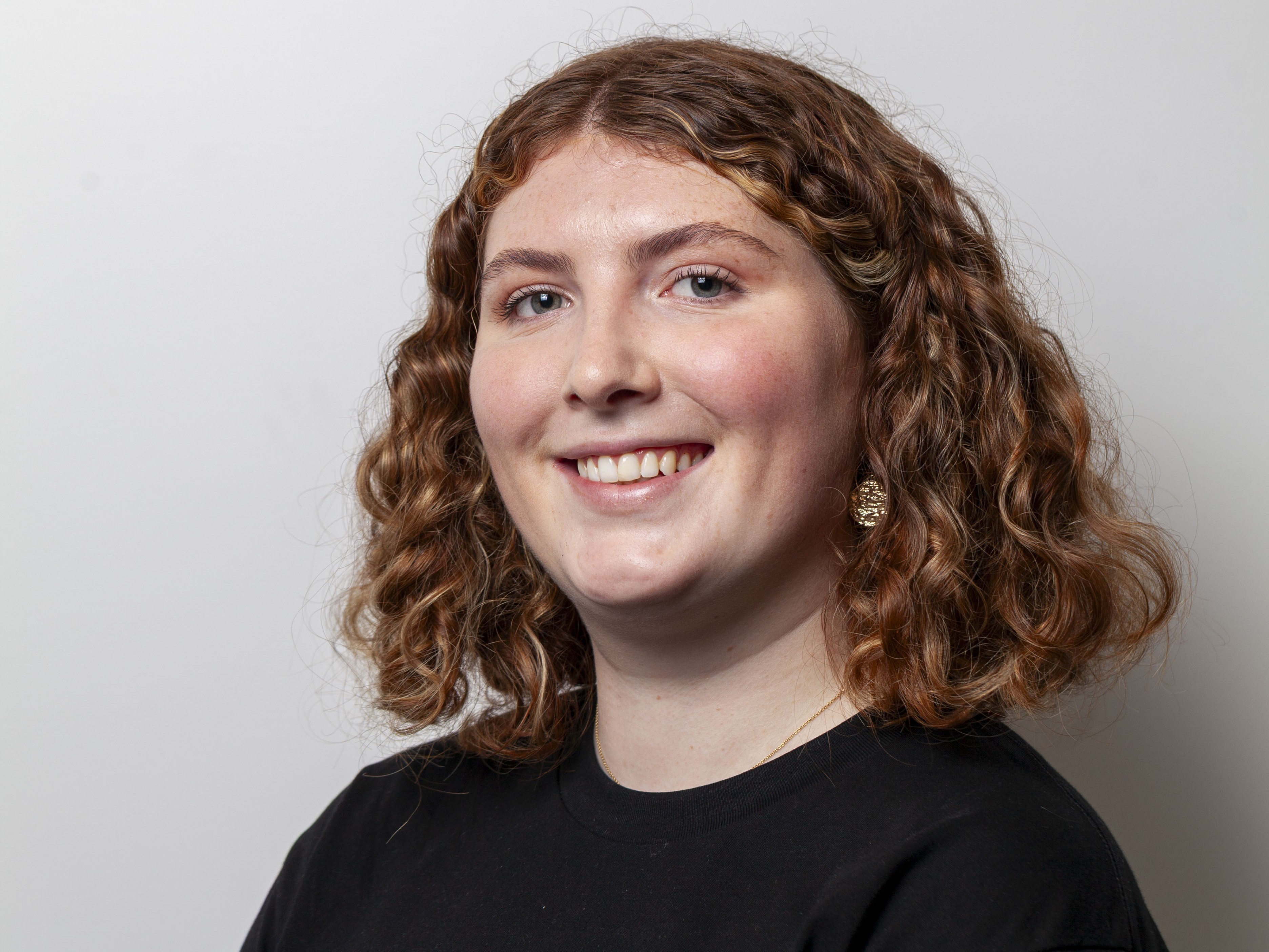
Sophia Davis didn’t arrive in Ōtautahi Christchurch with a ready-made network. What she did bring was a question she couldn’t let go of: why do some businesses choose to invest in the natural world, and what does that actually look like in practice?
After completing a commerce degree at the University of Otago and travelling Europe, Davis began looking for a master’s in Canterbury that would let her explore that question properly. Nothing at the University of Canterbury or Lincoln quite fit. Ara’s Master of Sustainable Practice did.
Her research now focuses on for-profit organisations in Aotearoa New Zealand involved in conservation projects, sitting at that often uneasy intersection between commercial priorities and environmental responsibility.
“I started out looking at emissions trading schemes, which were very technical,” Davis said, “but I realised I wanted to understand the intentions of the people behind these projects.”
That shift led her towards ecocentrism, the idea that humans are part of the natural world and that all species have intrinsic value. It also reshaped how she approached her research.
“I wanted to know if the key decision-makers in these organisations were thinking that way,” she said.
Answering that question meant going beyond literature reviews and into real conversations, which is where another part of her study began to take shape.
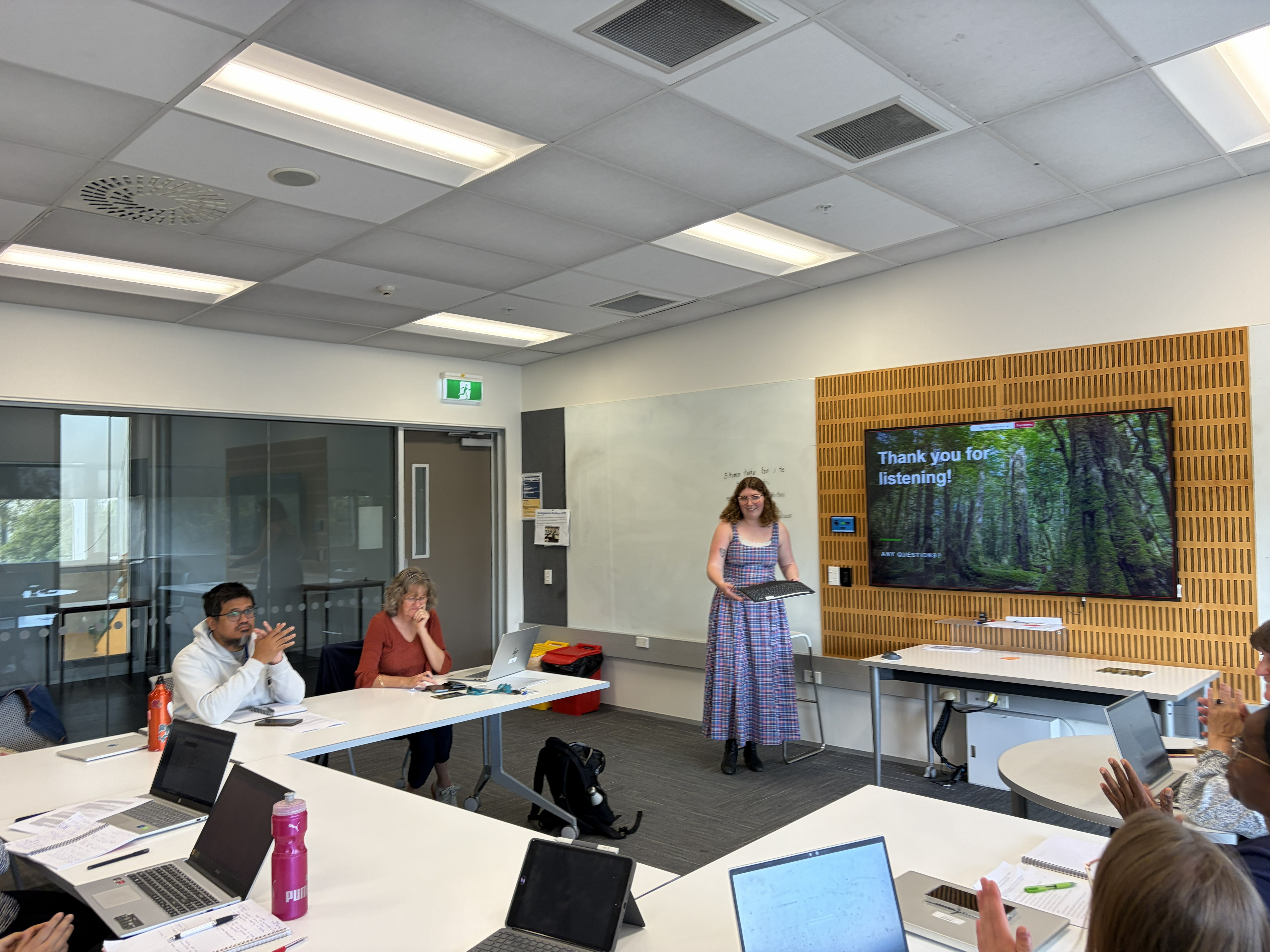
Davis presenting her dissertation proposal.
Since arriving in Christchurch, Davis has deliberately built connections across the city’s sustainability community, starting with spaces that bring people together informally. She became a regular at Green Drinks, a monthly gathering that draws people from business, community organisations and the environmental sector, and also connected in with Climate Crew, a local group linked to a wider Australia-New Zealand network.
Walking into those rooms wasn’t always easy.
Even now, it can feel a bit scary,” she said, “but people were so open. They were interested in what I was studying, and they were willing to give advice and make connections.”
Those conversations quickly began to open doors. Through them, Davis connected with people across Canterbury’s sustainability sector, including Jocelyn Papprill from the Untouched World Foundation and former Environment Canterbury chair Craig Pauling. More importantly, those relationships started to shape her thinking.
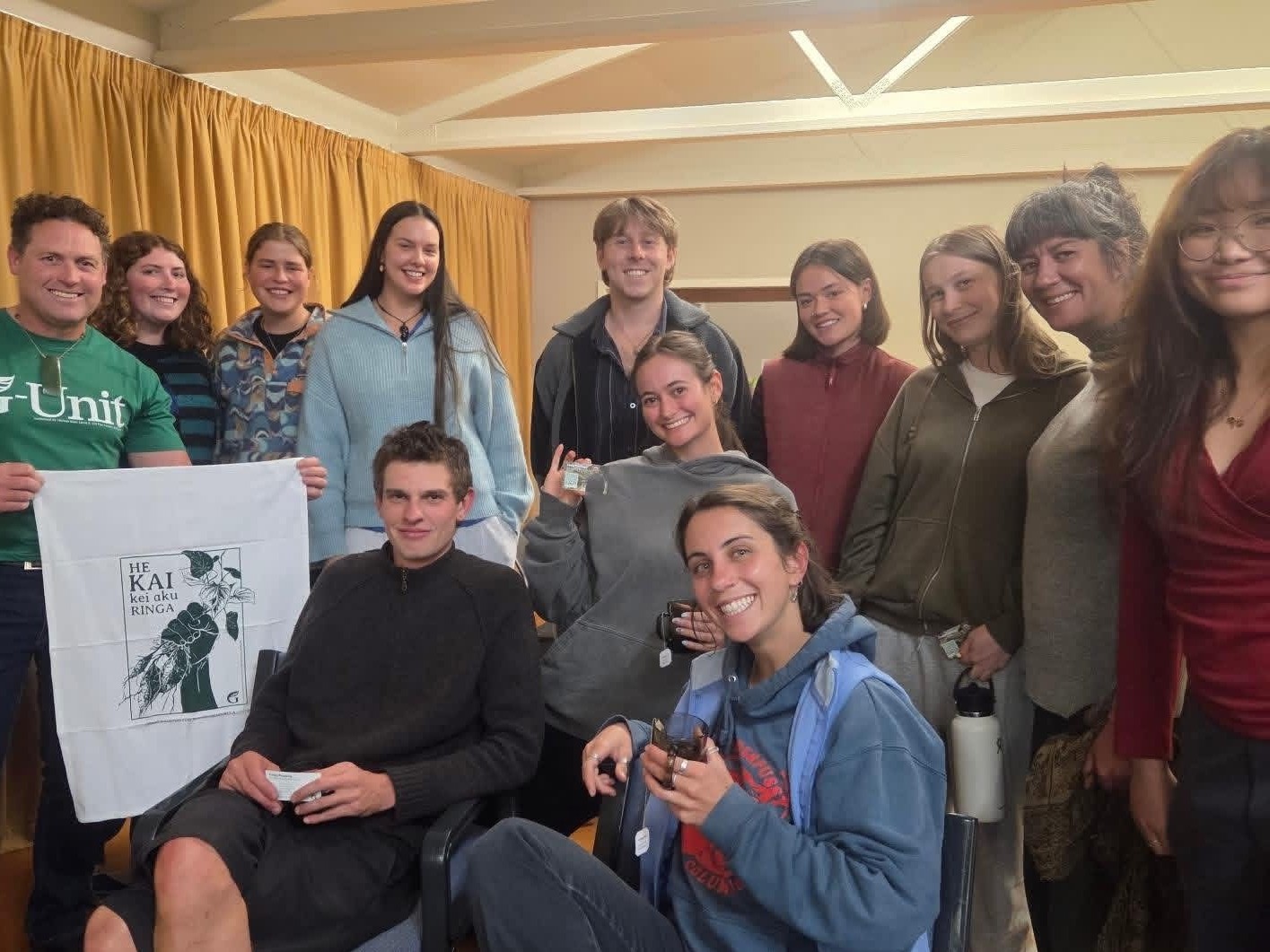
Davis, second from left, at a recent weekend at Living Springs.
A Green Drinks session on te ao Māori and sustainability, for example, fed directly into how she approached her research ethics. She also worked with Ara Research Manager Scott Klenner to make sure she was engaging respectfully with Māori authors and perspectives, grounding her work in a way that reflects the context it sits within.
Alongside those one-on-one connections, Davis has taken a “say yes and figure it out later” approach to opportunities, which has seen her step into spaces she might not otherwise have considered. She volunteered at the Adaptation Futures Conference 2025, gaining access to international conversations on climate adaptation, and took part in sustainability challenges at the University of Canterbury.
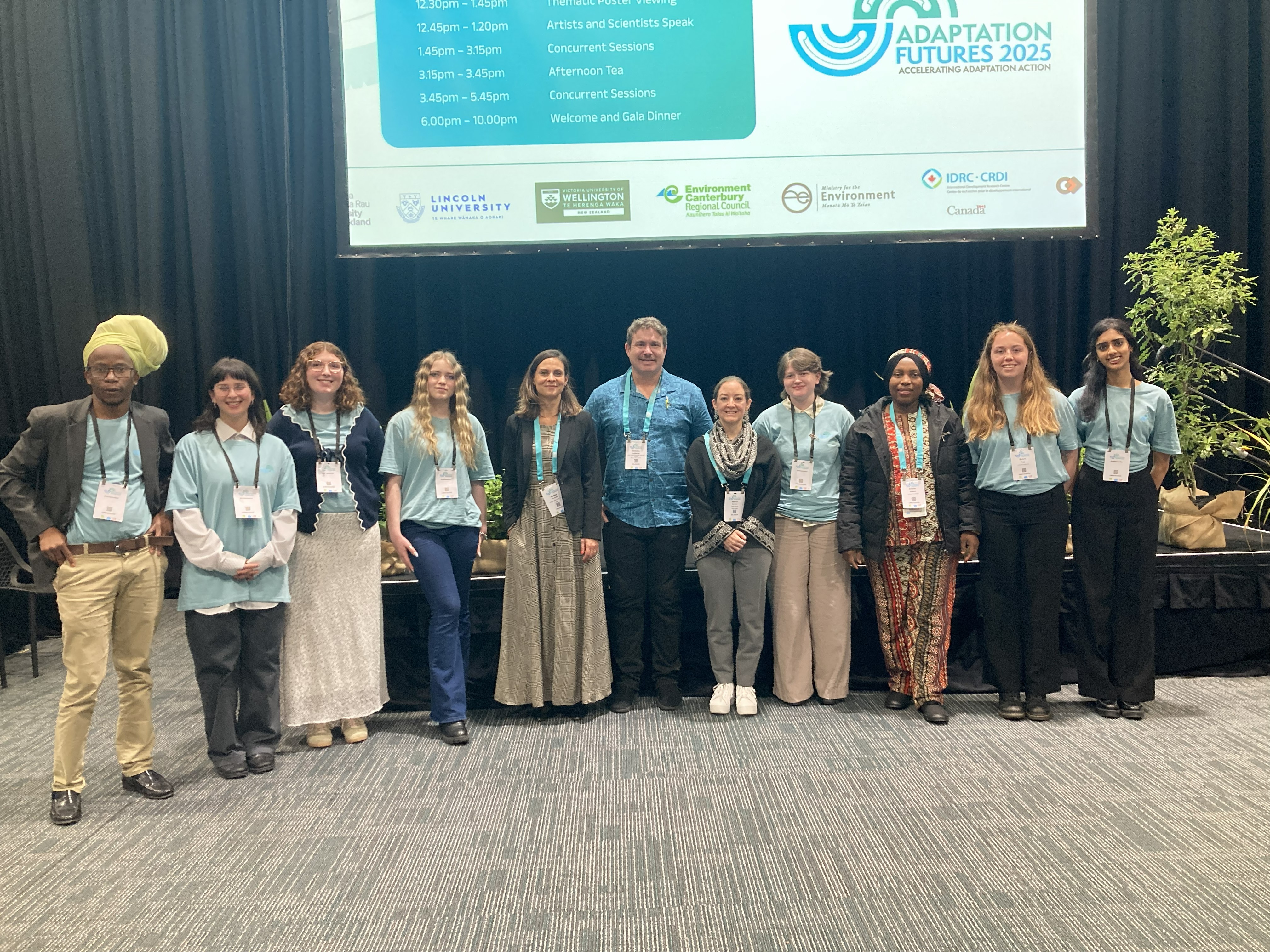
Davis, third from left, at the Adaptation Futures 2025 conference.
Her involvement with the Untouched World Foundation’s programmes at Living Springs has been particularly influential, offering immersive leadership experiences alongside others working in the same space.
“I had no idea what to expect,” she said. “The idea of an ‘adult camp’ was a strange one, but I didn’t expect how quickly you grow close to people.”
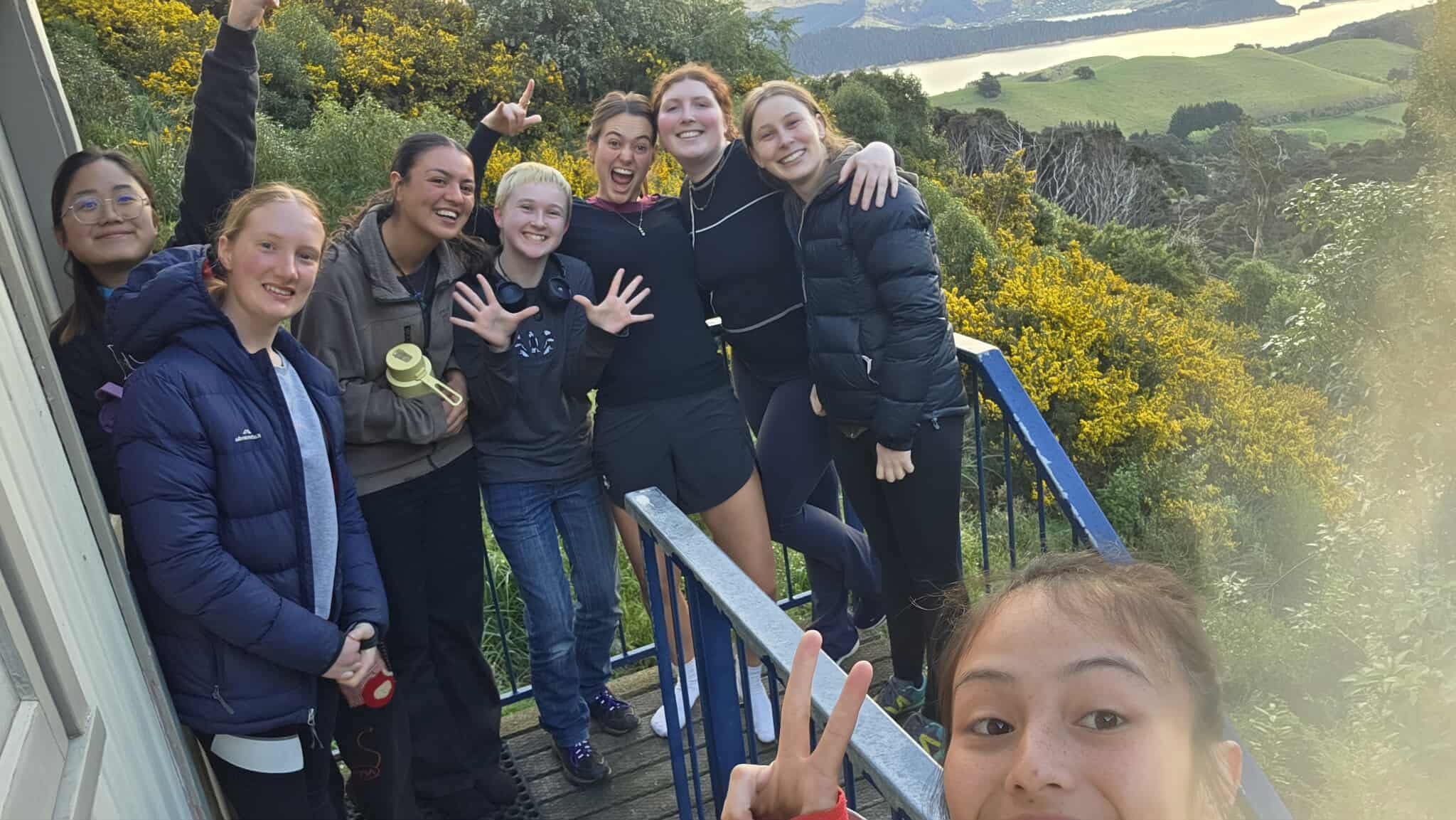
Davis, third from left, at Living Springs in 2025
Spending several days together in a different environment shifted the dynamic.
“Being in one place, living a different life for a few days, allowed you to be vulnerable in a way that was hard to do elsewhere,” she said.
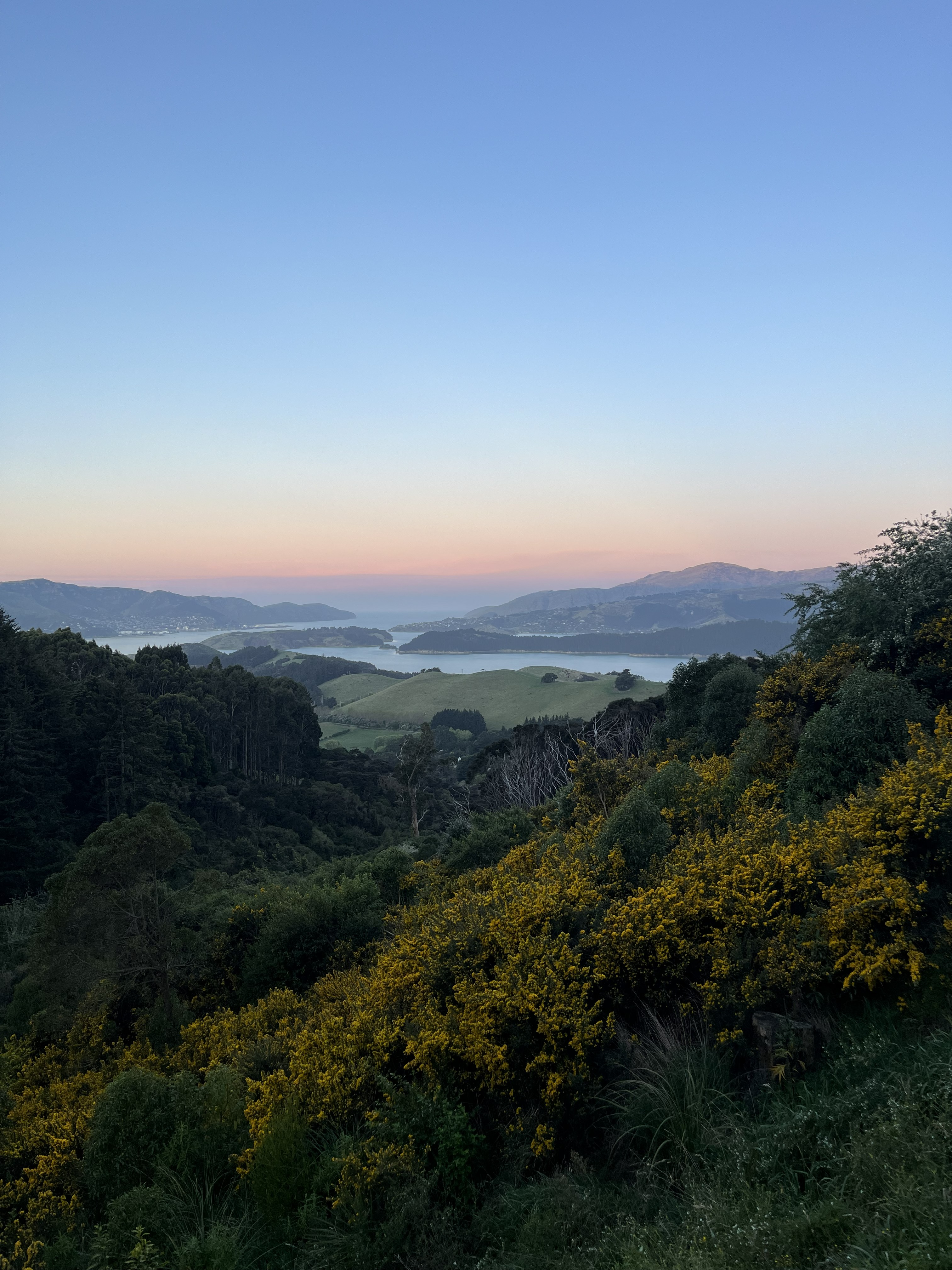
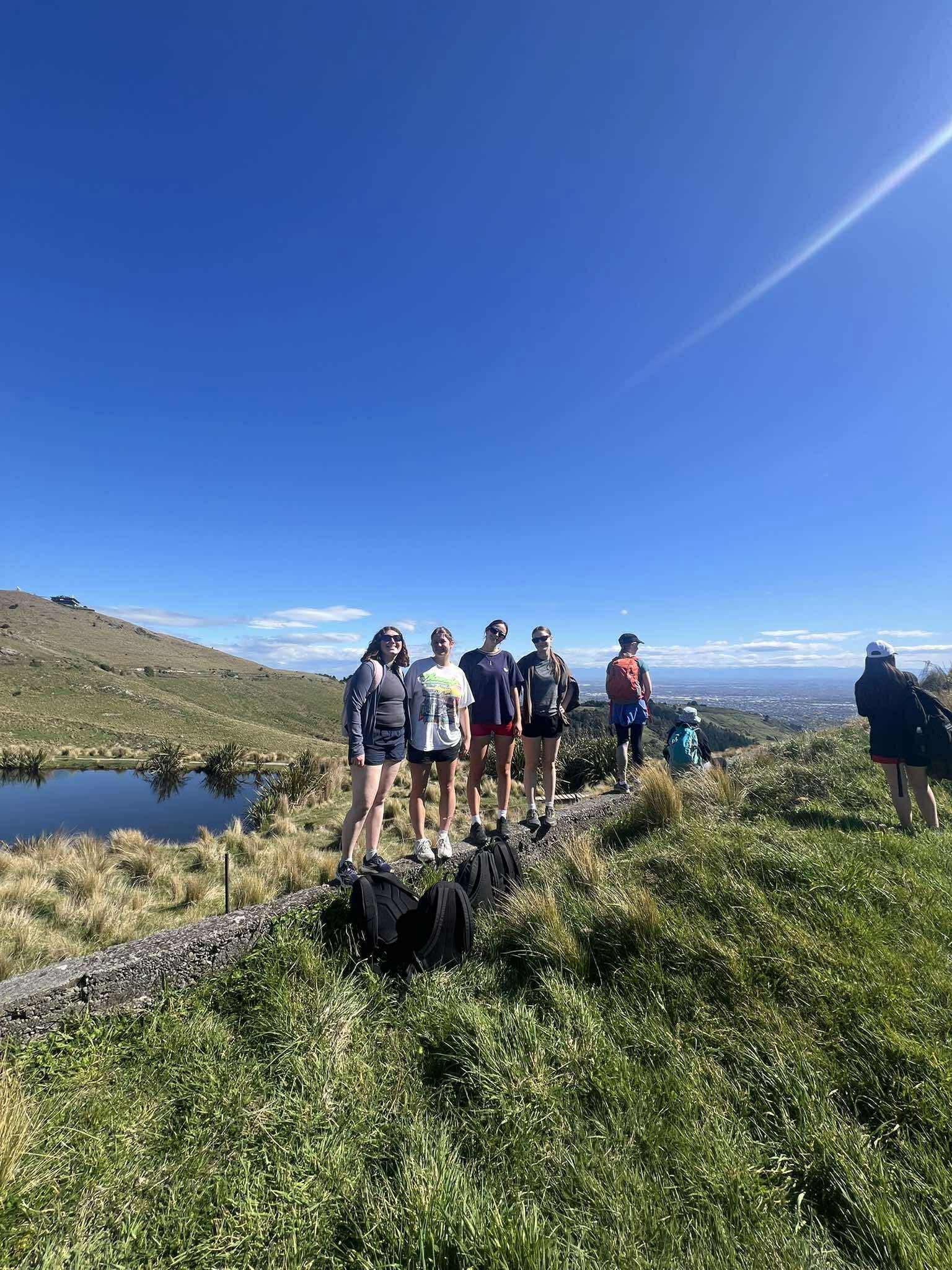
The view at Living Springs, and Davis, left, on a walk around Whakaraupō Moana (Lyttelton Harbour).
That sense of connection has stayed with her, and more recently she has stepped into a leadership role herself, facilitating a session on pitching, networking and communicating your value for other participants.
At the same time, she has been thinking about how to create more of those opportunities for others at Ara. As the Student Council sustainability representative, she’s working to re-ignite a sustainability-focused community on campus, drawing on her experience at the University of Otago, where student-led initiatives were a visible and active part of university life.
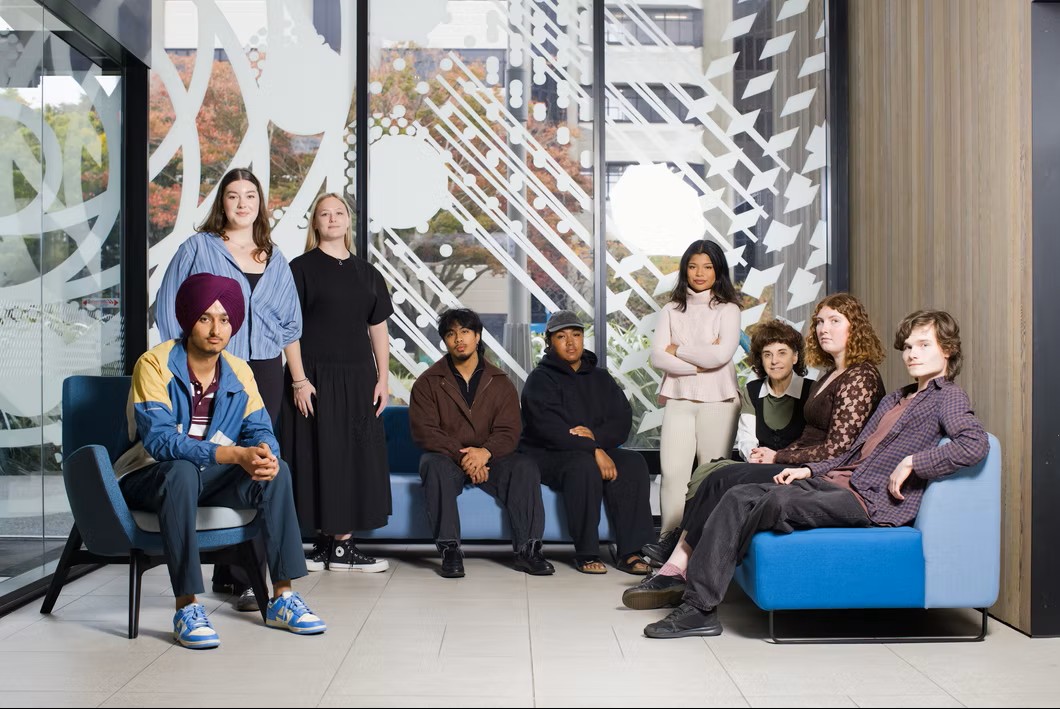
Davis, second from right, with the 2026 Ara Student Council
“At Otago, there were working bees, beach clean-ups, clothing swaps, movie nights,” she said. “They were simple things, but they made a difference.”
At Ara, her focus is on starting with students themselves.
“I want to hear from ākonga about what they actually want. There’s already a community here, it just needs a space to grow.”
Programme Lead Faye Wilson-Hill said that approach reflects the intent of the Master of Sustainable Practice, which is designed to sit alongside a wide range of disciplines and career paths.
“Whatever you’re already studying or working in, there’s scope to bring sustainability into that mahi,” she said.
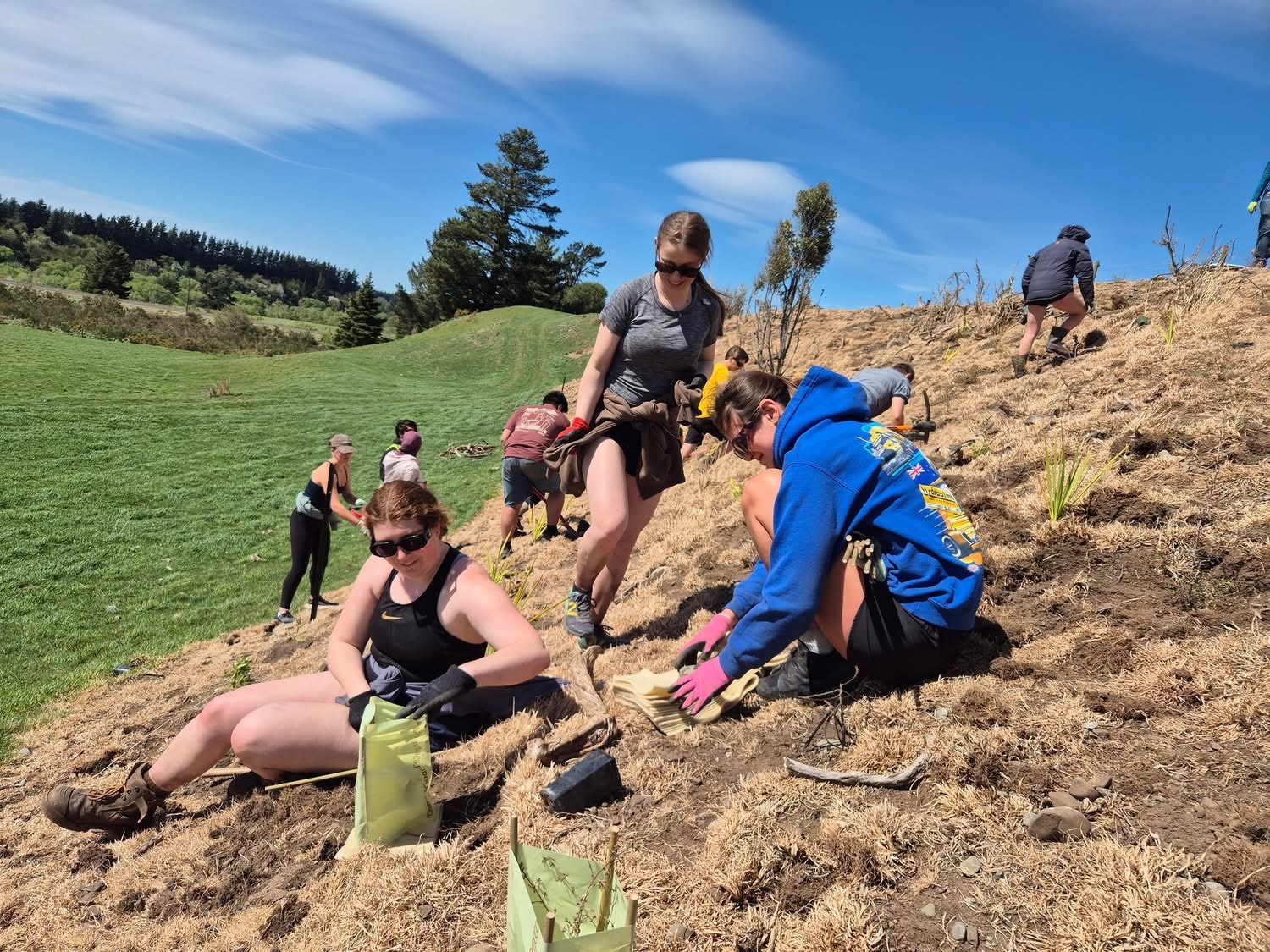
Davis, left (foreground), tree planting
For Davis, that breadth is part of what makes the subject both challenging and motivating. Sustainability can feel heavy, but the people working in the space shift that feeling.
“You get to hear about all the cool things people were doing,” she said. “It feels empowering. It feels hopeful.”
That sense of hope continues to drive both her research and the way she approaches it, through conversations, shared ideas and the willingness to reach out.
Davis is currently interviewing sustainability advisors and professionals involved in conservation or nature-based projects as part of her research.
As her experience so far has shown, a single conversation can lead further than you expect.
If you’re inspired by Sophia’s journey, explore how Ara’s Sustainability and Outdoor Education programmes can help you turn your own passion for sustainability into meaningful action.