Warm welcome for learners in vital profession
13 February, 2026
New Bachelor of Social Work ākonga (students) begin their four year study programme at Ara
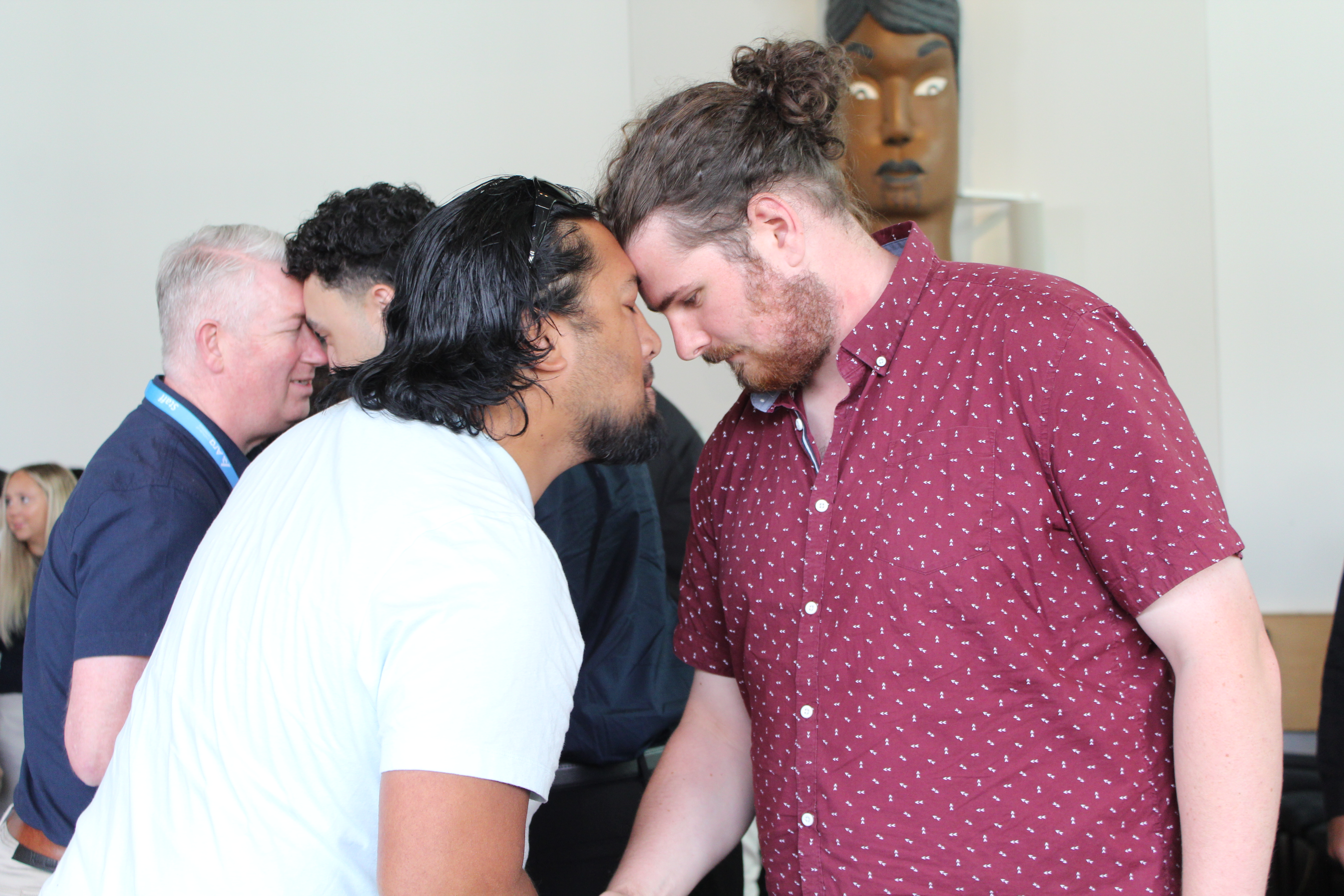
Ākonga, kaimahi (staff) and programme partners gathered for the whakatau
A new cohort of Bachelor of Social Work ākonga has been welcomed to Ara, marking the beginning of an important journey into a profession that plays a vital role in supporting whānau and communities across Aotearoa.
38 new ākonga are starting the four-year programme in 2026, bringing total enrolments in the Bachelor programme to 113.
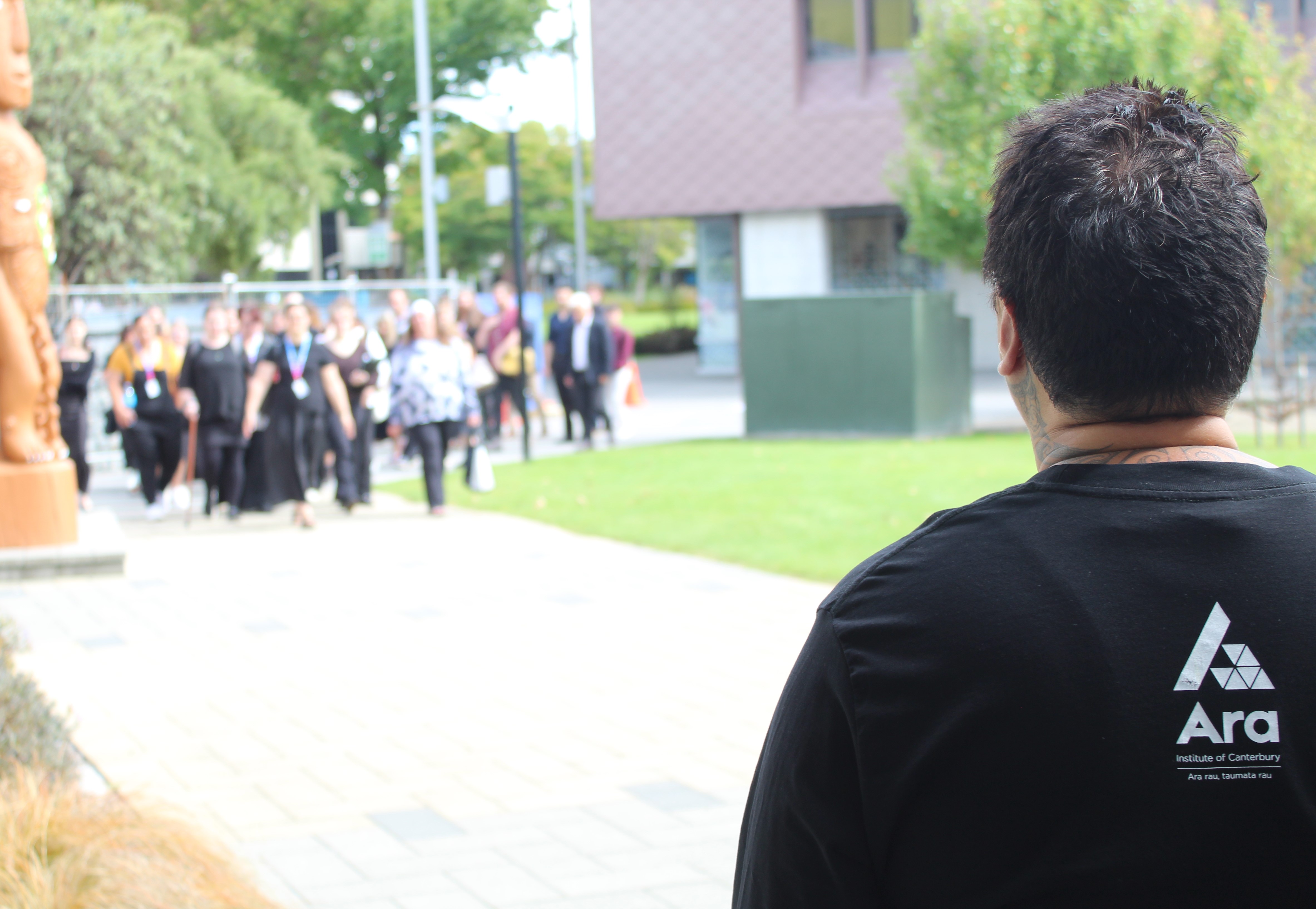
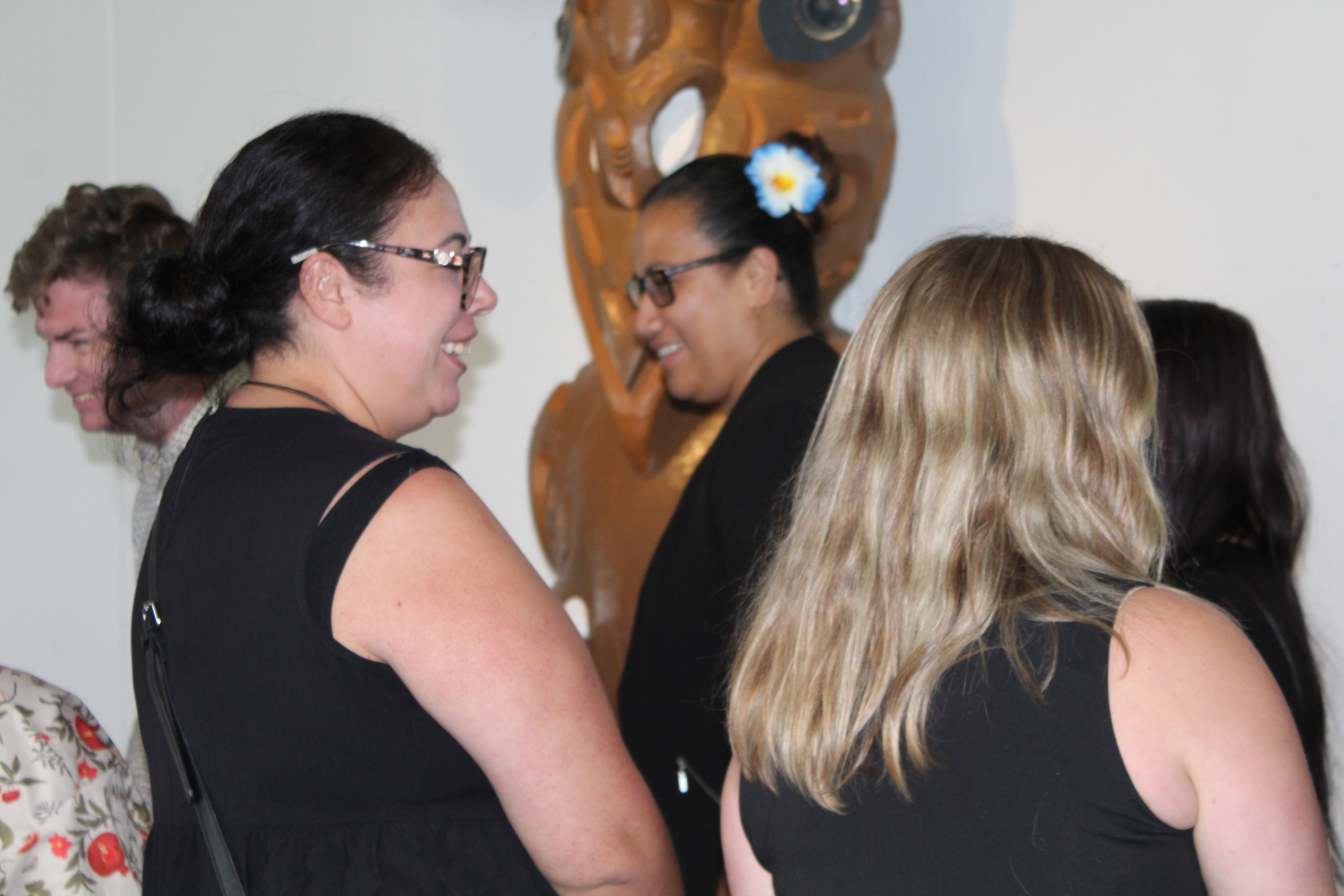
The new ākonga were welcomed through a whakatau (formal welcome) held at Te Puna Wānaka on Ara’s City campus. Ākonga from years 2–4 stood alongside kaiako (tutors) to acknowledge the incoming cohort and set the intent and tone for the year ahead.
The whakatau reflects the programme’s strong commitment to tikanga Māori (Māori cultural practices) and to building whanaungatanga (connection) from the outset. It helps create a sense of belonging and shared purpose providing an opportunity to awhi (support) new ākonga as they begin their journey towards becoming social workers.
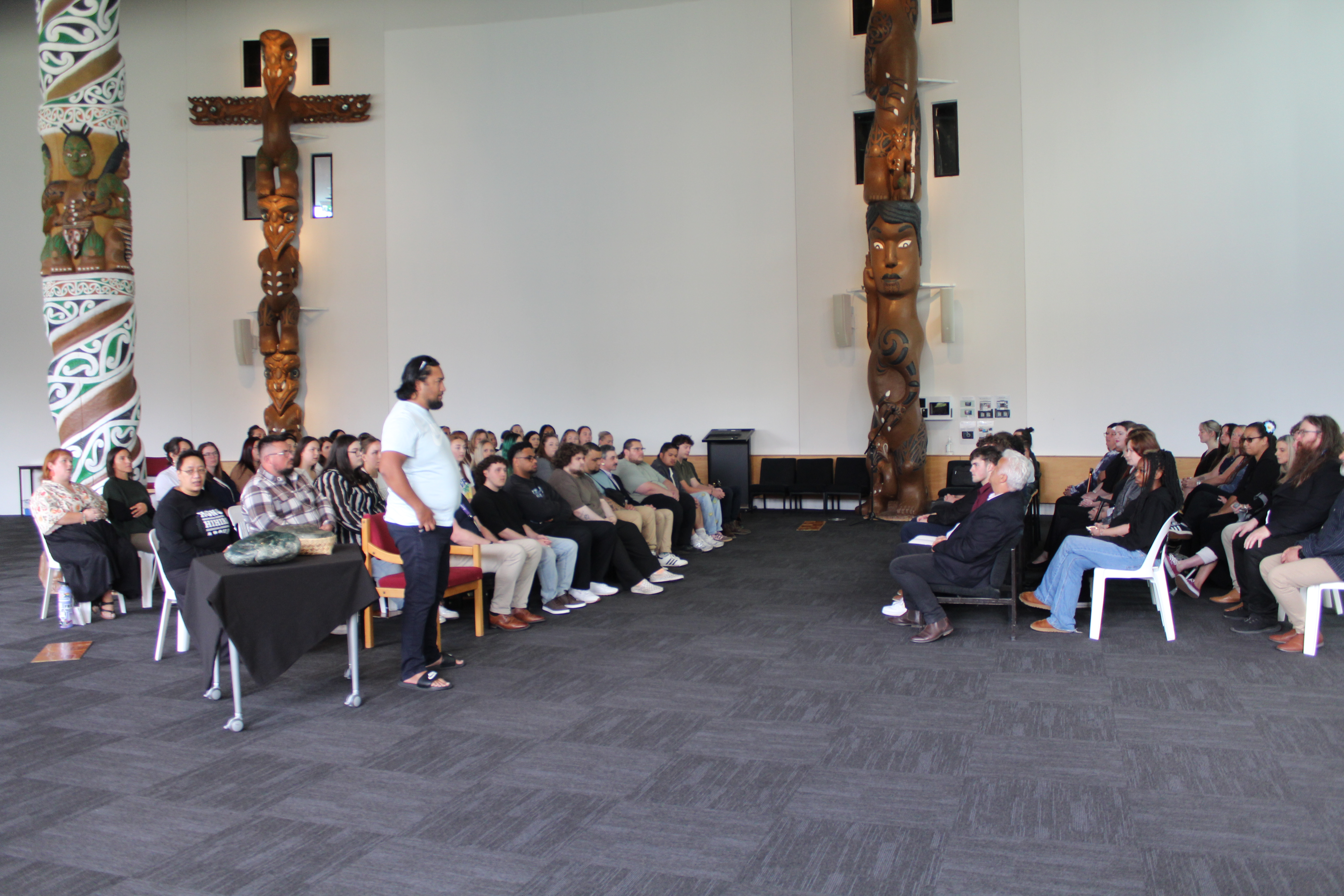
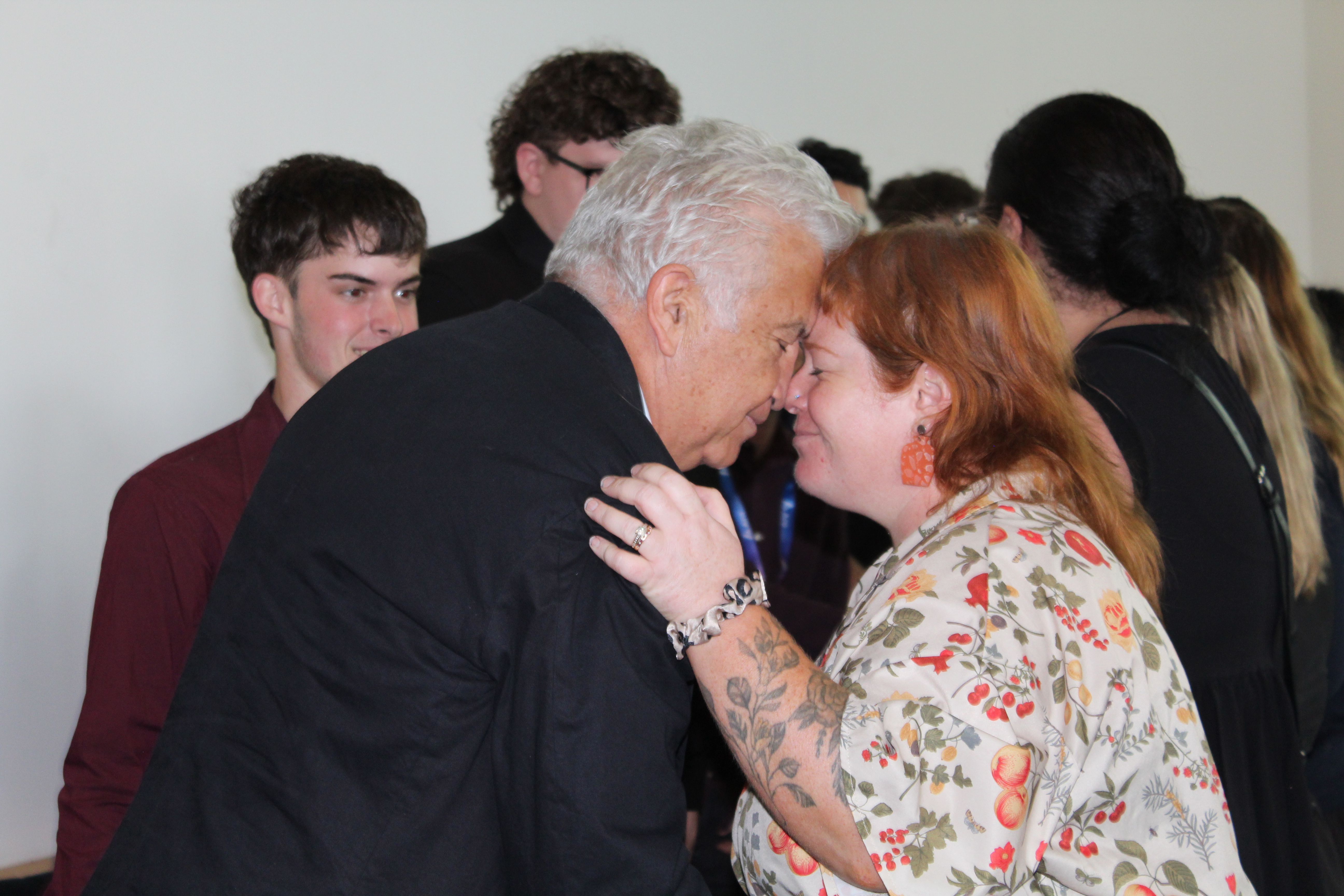
Left: Ara kaiako Tawhiri Ruru leading the whaikōrero Right: Oranga Tamariki's Chris Rewha is welcomed in to Ara
“The Bachelor of Social Work at Ara is grounded in a decolonised approach to social work education,” said Programme Lead Dominic Chilvers.
“At its heart, the programme is about connection, care and collective responsibility - creating a learning environment where ākonga are supported to grow not only as practitioners, but as people committed to the wellbeing of whānau and communities.”
The programme places a strong emphasis on relationship-based learning, personal transformation, and the integration of academic knowledge with real-world practice.
Work-integrated learning is embedded across all four years, allowing ākonga to build confidence and capability in authentic social work settings.
These learning experiences are made possible through close relationships with industry partners across the sector, including Oranga Tamariki, Te Whatu Ora, Ara Poutama Aotearoa, and a wide range of non-government and kaupapa Māori (Māori approach led) organisations.
The presence of partners at the whakatau, including Oranga Tamariki representative Chris Rewha, reflected the strength of these relationships and the shared commitment to developing the future social work workforce.
Chilvers notes that the start of the academic year comes at a time of increasing social need.
“The Salvation Army State of the Nation Report 2026 highlights rising child poverty, housing instability and cost-of-living pressures, with disproportionate impacts on Māori and Pacific whānau,” he said.
“At the same time, workforce sustainability remains a challenge for the social work profession, due to cost-of living pressures, with disproportionate impacts on Māori and Pacific whānau.”
Against this backdrop, Ara looks forward to walking alongside these ākonga as they develop the knowledge, skills and values needed to support positive change.
Nau mai, haere mai – welcome to Ara!